
Skip to content
  • Saltar a:
  • Coleópteros
  • Species
  • Damage
  • Life cycle
  • Solutions
  • News

Control biológico de coleópteros

Los coleópteros, también conocidos como escarabajos, pueden causar daños graves en muchos cultivos bajo invernadero y a campo abierto al alimentarse de sus hojas, raíces o frutos, lo que reduce su crecimiento y rendimiento. El manejo eficaz de los escarabajos utilizando el control biológico es esencial para mantener cultivos sanos y productivos.

Esta herramienta combina el monitoreo preventivo con intervenciones específicas utilizando soluciones naturales como:

  • Nematodos benéficos
  • Trampas
  • Feromonas

Los nematodos benéficos buscan y eliminan activamente las larvas de escarabajos en el suelo, mientras que las trampas ayudan a monitorear y reducir las poblaciones de escarabajos adultos. Con las soluciones biológicas de Koppert para coleópteros, los productores profesionales pueden lograr un manejo confiable de plagas, proteger la calidad de sus cultivos y apoyar la producción sostenible.

Soluciones biológicas para Escarabajos

Filtros:
Borrar todos los filtros
Mostrar todo Mostrar menos
productos encontrados:

¿Preguntas o ayuda?

Contáctanos
  • Fácil de usar
  • Resistencia mínima
  • Sin residuos químicos
  • Sin intervalos pre-cosecha

Aprender más sobre

What are beetles?

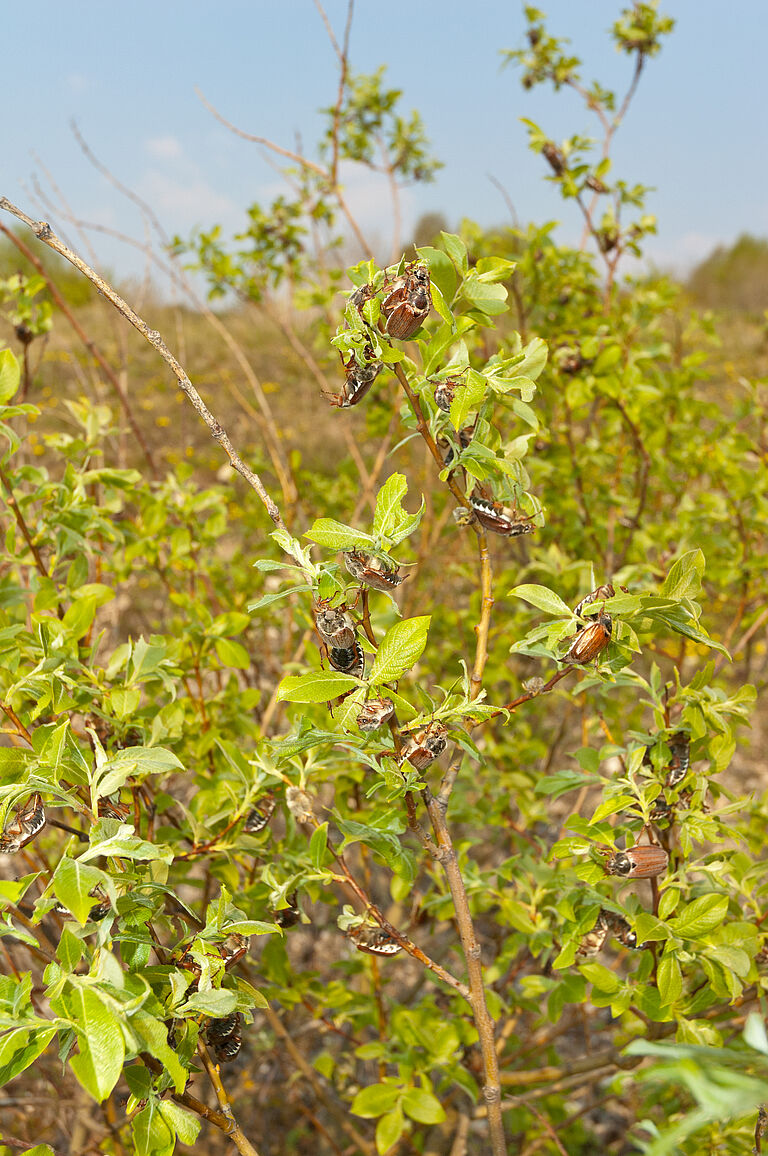
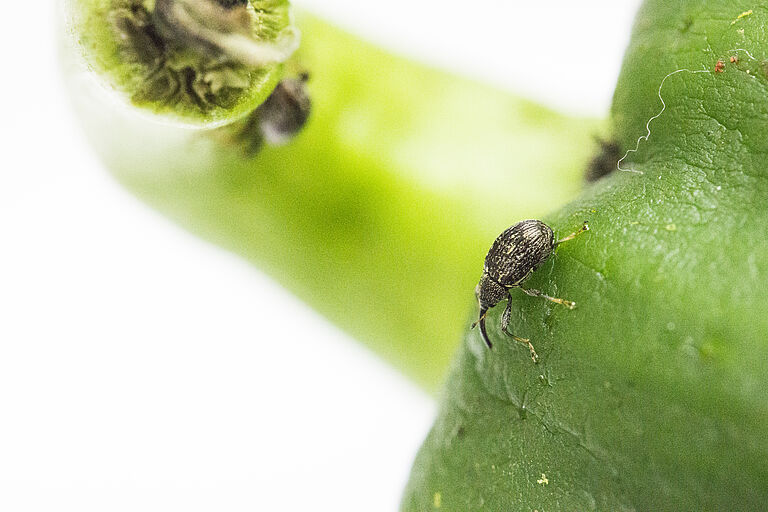
Beetles belong to the order Coleoptera, a well-known group of insects that are easily recognizable on account of their hard wing covers (elytra). With more than 350,000 known species, Coleoptera is the largest of all insect orders and displays an enormous variety of form, size and habit. A number of species are a serious pest in crops or stored products. There are many useful beetles as well. For instance, ladybirds contribute to the control of aphids.

Beetles undergo a complete metamorphosis, that is, the larvae do not resemble the adult at all, and must pass through a pupal instar before reaching the adult stage. Larvae have biting mouthparts and mostly feed on the same food as the adults. The pupae do not make a cocoon and will already display many similarities with the adults. The adult beetles usually possess a pair of membranous wings beneath the wing covers. Many species are very capable fliers but others cannot fly at all.

Beetle species

Beetle damage

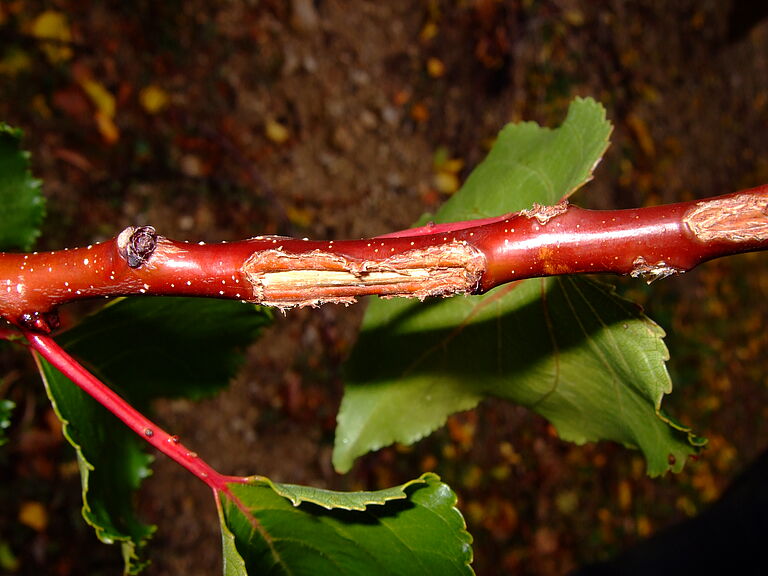
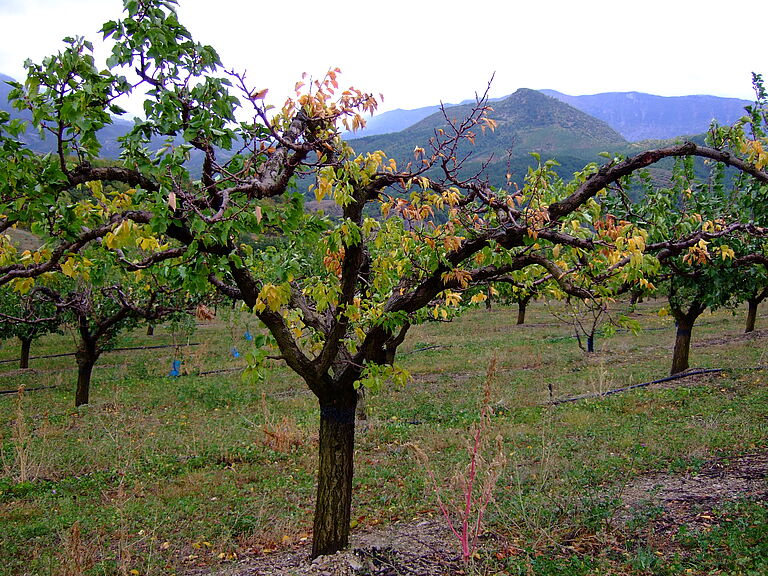
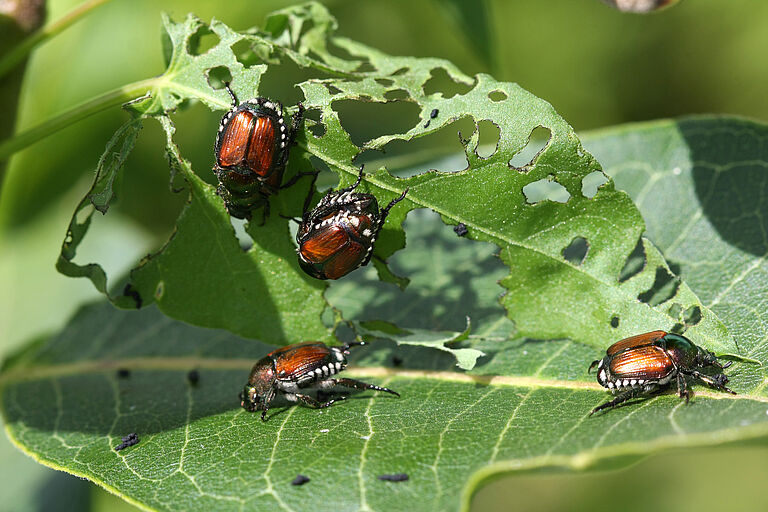
Both larvae and adults of beetles can cause damage to crops. The larvae of some species feed on growing tips and roots or chew and bore into stems, but in other species also feed on leaves. Adult beetles cause damage by feeding on fruits, flower buds and leaves depending on the species.

Life cycle of beetles

Beetle control videos

Take a look at the video or go to our Youtube channel to see our beetle control products in action.

¿Necesitas ayuda?